
Introduction: Turn Your Backyard Into a More Independent Space
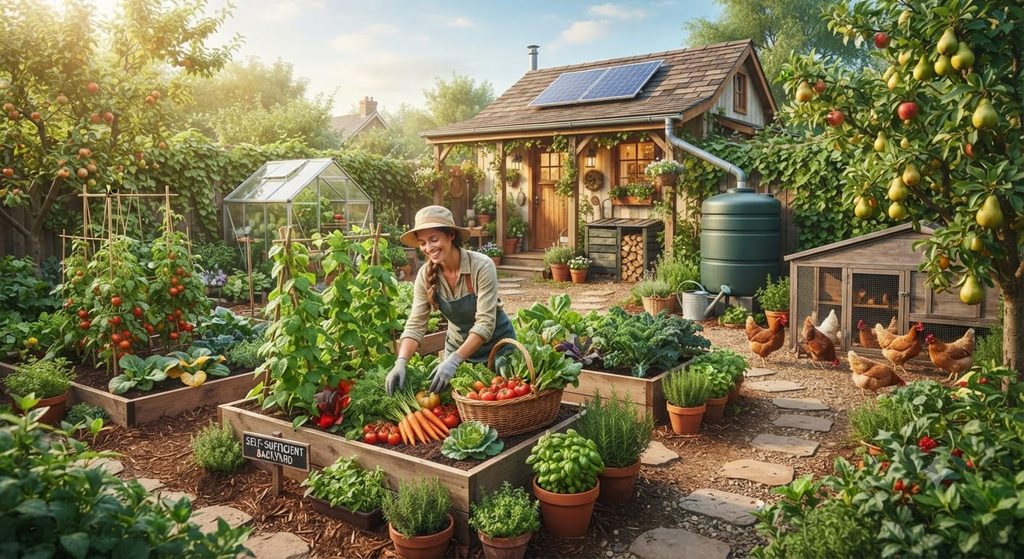
Imagine walking into your backyard and picking fresh vegetables for your dinner, collecting rainwater for your garden, growing useful herbs, and reducing your dependence on expensive stores and outside systems.
This is the idea behind a self-sufficient backyard.
Many people think self-sufficient living requires hundreds of acres of land, expensive equipment, or years of farming experience. However, modern backyard homesteading has shown that even a small piece of land can become a valuable source of food, resources, and independence when planned correctly.
A self-sufficient backyard is not about completely leaving modern life behind. It is about creating a smarter and more sustainable lifestyle by using your available space efficiently.
Whether you have a large garden, a small backyard, or even limited outdoor space, you can start building systems that help you grow food, save money, and become more prepared for the future.
In this guide, we will explore how to create a productive backyard, the essential systems you need, and how resources like The Self-Sufficient Backyard can help beginners understand the process step by step.
Table of Contents
What Is a Self Sufficient Backyard?
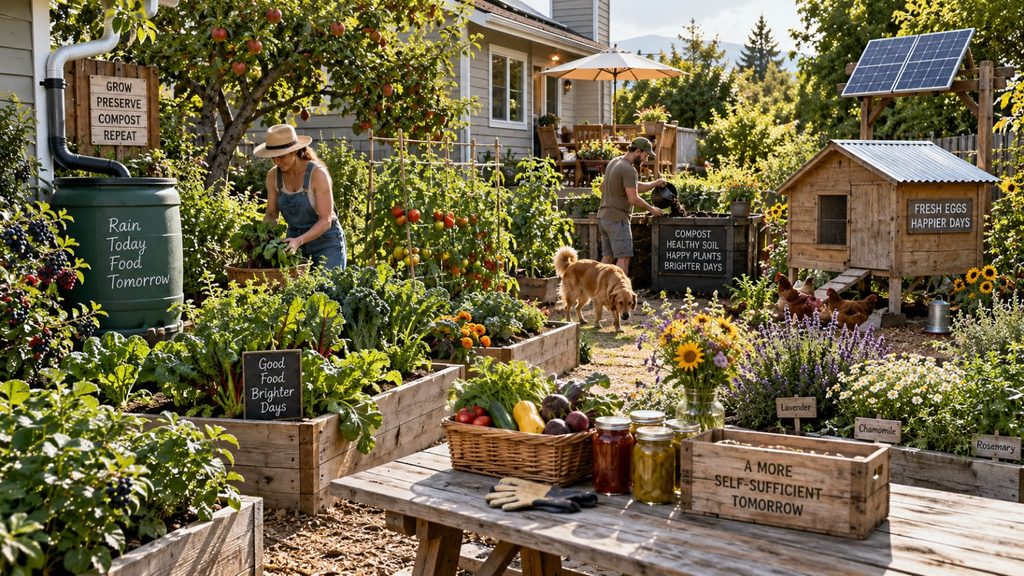
A self-sufficient backyard is a planned outdoor space designed to provide some of your own basic needs.
Instead of depending only on supermarkets, utility companies, or external resources, you create small systems that work together.
These systems may include:
- Growing vegetables and fruits
- Collecting and storing water
- Creating compost for soil improvement
- Raising small animals
- Preserving food
- Using renewable energy solutions
- Growing medicinal plants
The goal is not necessarily to produce everything you need immediately. A realistic approach is to gradually build a backyard that becomes more productive every year.
Many successful homesteaders start with simple projects and improve their systems over time.
Can You Build a Self Sufficient Backyard With Limited Space?
One of the biggest myths about self-sufficient living is that you need a huge amount of land.
The reality is that smart planning is often more important than land size.
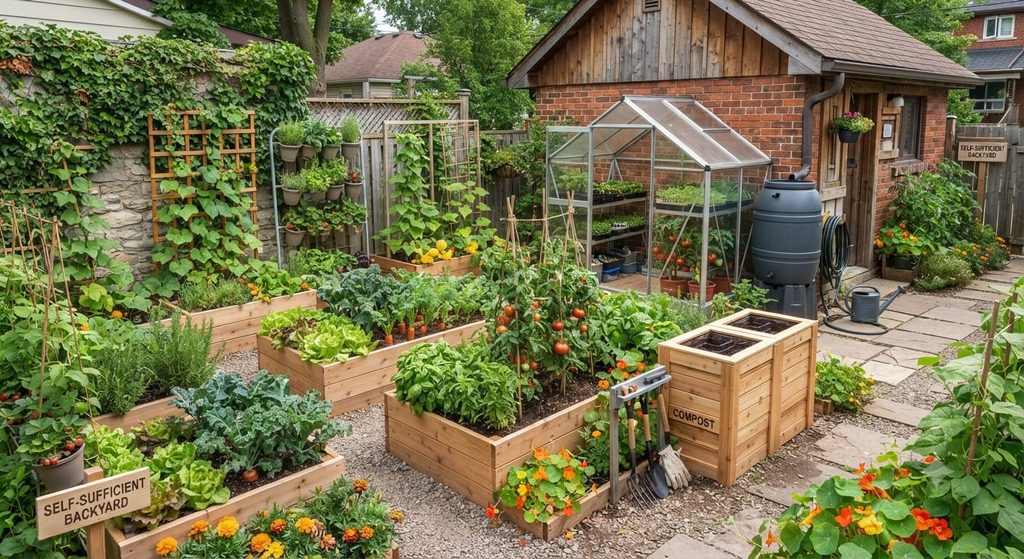
A small backyard can still provide:
- Fresh herbs
- Vegetables
- Microgreens
- Compost
- Rainwater collection
- Small greenhouse production
The Self-Sufficient Backyard program explains how backyard systems can be adapted depending on the available space, including smaller properties.
The key is understanding how to use every area effectively.
For example:
- Vertical gardens can maximize growing space
- Raised beds can improve production
- Greenhouses can extend growing seasons
- Compost systems can create better soil
A well-designed small backyard can often produce more than a poorly planned large garden.
Essential Systems Every Self Sufficient Backyard Needs
1. Growing Your Own Food
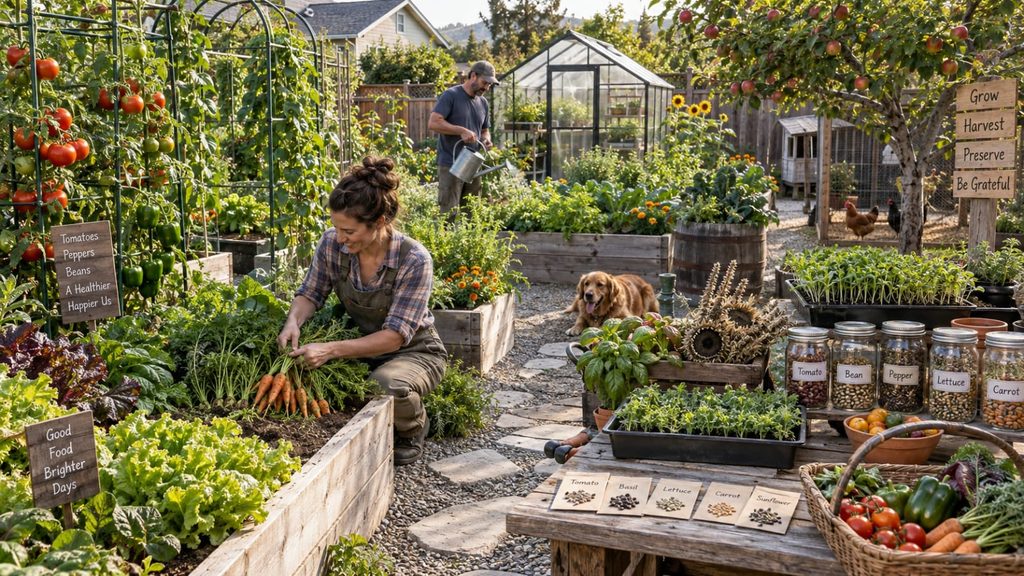
Food production is usually the first step for anyone creating a self-sufficient backyard.
Growing your own food gives you:
- Fresh produce
- Better control over what you eat
- Lower grocery costs
- Valuable gardening skills
You can begin with simple crops:
- Tomatoes
- Lettuce
- Herbs
- Carrots
- Peppers
- Beans
As your experience increases, you can add:
- Fruit trees
- Greenhouses
- Seed preservation systems
- Larger vegetable gardens
The Self-Sufficient Backyard guide focuses heavily on practical food production methods, including growing crops in limited spaces and producing valuable plants such as microgreens.
2. Creating a Reliable Water System
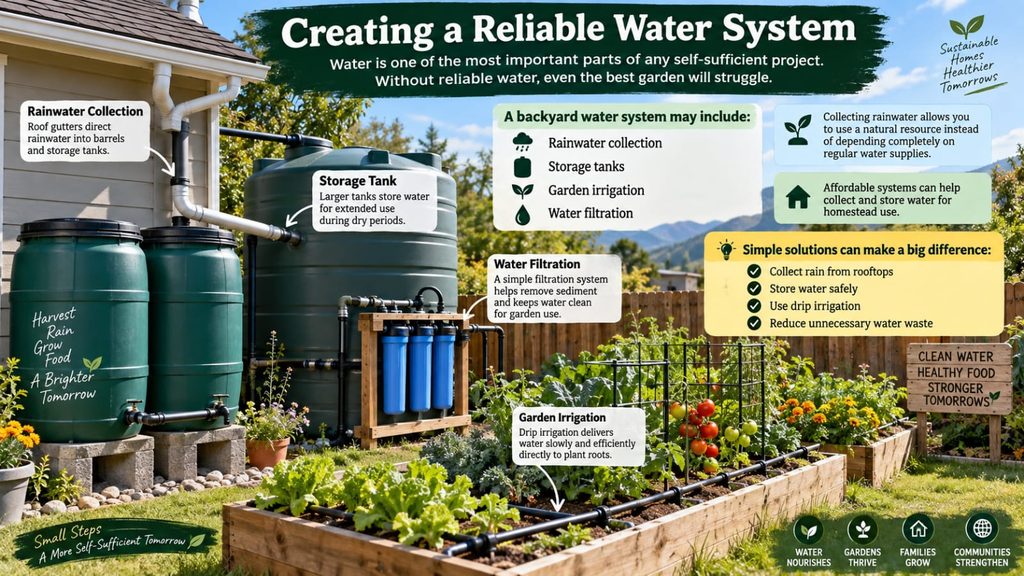
Water is one of the most important parts of any self-sufficient project.
Without reliable water, even the best garden will struggle.
A backyard water system may include:
- Rainwater collection
- Storage tanks
- Garden irrigation
- Water filtration
Collecting rainwater allows you to use a natural resource instead of depending completely on regular water supplies.
The product explains methods for creating affordable water collection systems and storing water for homestead use.
Simple solutions can make a big difference:
- Collect rain from rooftops
- Store water safely
- Use drip irrigation
- Reduce unnecessary water waste
3. Building Your Own Energy Solutions
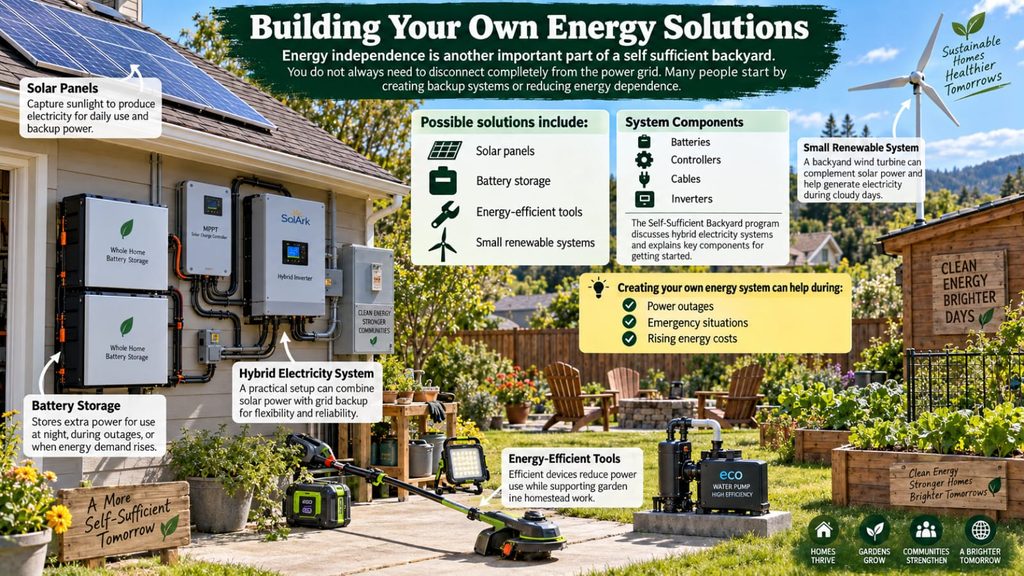
Energy independence is another important part of a self-sufficient backyard.
You do not always need to disconnect completely from the power grid. Many people start by creating backup systems or reducing energy dependence.
Possible solutions include:
- Solar panels
- Battery storage
- Energy-efficient tools
- Small renewable systems
The Self-Sufficient Backyard program discusses hybrid electricity systems and explains components such as batteries, controllers, cables, and inverters.
Creating your own energy system can help during:
- Power outages
- Emergency situations
- Rising energy costs
4. Natural Pest Control Methods
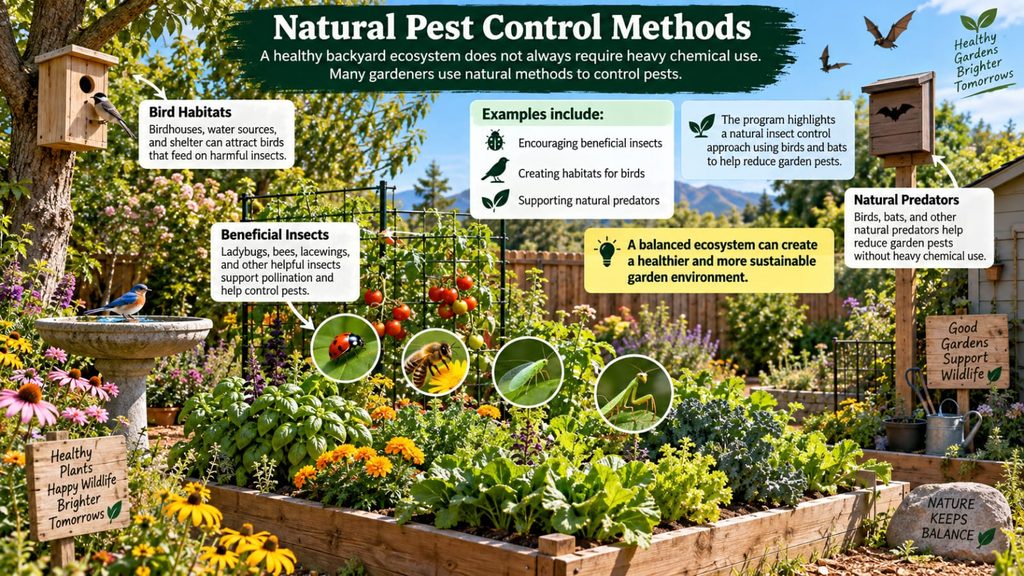
A healthy backyard ecosystem does not always require heavy chemical use.
Many gardeners use natural methods to control pests.
Examples include:
- Encouraging beneficial insects
- Creating habitats for birds
- Supporting natural predators
The program highlights a natural insect control approach using birds and bats to help reduce garden pests.
A balanced ecosystem can create a healthier and more sustainable garden environment.
5. Food Storage and Preservation
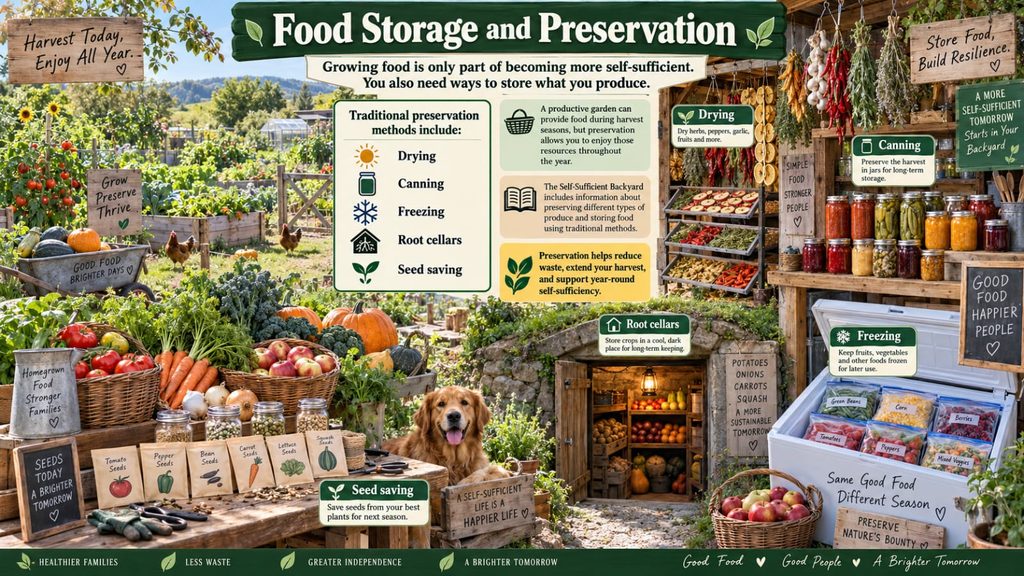
Growing food is only part of becoming more self-sufficient.
You also need ways to store what you produce.
Traditional preservation methods include:
- Drying
- Canning
- Freezing
- Root cellars
- Seed saving
A productive garden can provide food during harvest seasons, but preservation allows you to enjoy those resources throughout the year.
The Self-Sufficient Backyard includes information about preserving different types of produce and storing food using traditional methods.
10 Beginner Projects For a Self Sufficient Backyard
If you are just starting, focus on simple projects.
Here are beginner-friendly ideas:
1. Create Raised Garden Beds
Raised beds improve organization and make gardening easier.
2. Start a Compost System
Kitchen scraps can become valuable fertilizer.
3. Build a Herb Garden
Grow useful herbs for cooking and other purposes.
4. Install Rainwater Collection
Capture natural water for your plants.
5. Create a Small Greenhouse
Extend your growing season.
6. Grow Microgreens
A small indoor space can produce fast-growing crops.
7. Plant Fruit Trees
Create long-term food production.
8. Build a Chicken Coop
Produce fresh eggs if suitable for your situation.
9. Create Food Storage Areas
Prepare for seasonal changes.
10. Improve Your Soil
Healthy soil creates better harvests.
The Self-Sufficient Backyard Review: What Does This Guide Teach?
For beginners, starting a homestead can feel overwhelming.
There are many questions:
- Where should I start?
- What systems should I build first?
- How much space do I need?
- What mistakes should I avoid?
This is where structured guidance can help.
The Self-Sufficient Backyard was created by Ron and Johanna, who share their experience from decades of living an off-grid lifestyle.
The guide focuses on practical projects covering areas such as:
- Food production
- Water systems
- Energy solutions
- Gardening
- Preservation
- Backyard projects
The goal is to help readers understand how different systems connect together instead of treating each project separately.
Pros and Cons of The Self-Sufficient Backyard
Pros
✓ Covers many areas of self-reliant living
✓ Beginner-friendly explanations
✓ Includes practical backyard projects
✓ Useful for different property sizes
✓ Focuses on long-term skills
Cons
✗ Requires time and effort to implement
✗ Results depend on your location and climate
✗ Gardening requires patience and learning
No guide can instantly create a productive backyard. The real value comes from applying the knowledge consistently.
Who Should Consider This Guide?
The Self-Sufficient Backyard may be useful for:
Homeowners
People who want to use their outdoor space more effectively.
Beginner Gardeners
Those who want a structured starting point.
Future Homesteaders
People interested in learning self-reliance skills.
Families
Those who want to produce some of their own food.
People Interested in Sustainable Living
Anyone looking for a more independent lifestyle.
Final Thoughts: Is Creating a Self Sufficient Backyard Worth It?
Building a self sufficient backyard is not about perfection.
It is about progress.
There is no need to completely redesign your entire property all at once. Small steps can create meaningful improvements over time.
A garden bed today can become a productive food system tomorrow. A small compost pile can become a valuable soil resource. A simple rainwater collection system can become part of a larger sustainable setup.
The most important step is learning, planning, and taking action.
For beginners who want structured guidance, The Self-Sufficient Backyard provides a collection of ideas, projects, and methods focused on creating a more independent lifestyle.
If your goal is to grow your own food, reduce waste, and make better use of your backyard, learning these skills can be a valuable investment.
Affiliate Disclosure: Some links in this article are affiliate links, which means I may earn a commission if you make a purchase through them.